
Winter vs. Summer Sail Schedules to Alaska: What Actually Changes for Shippers
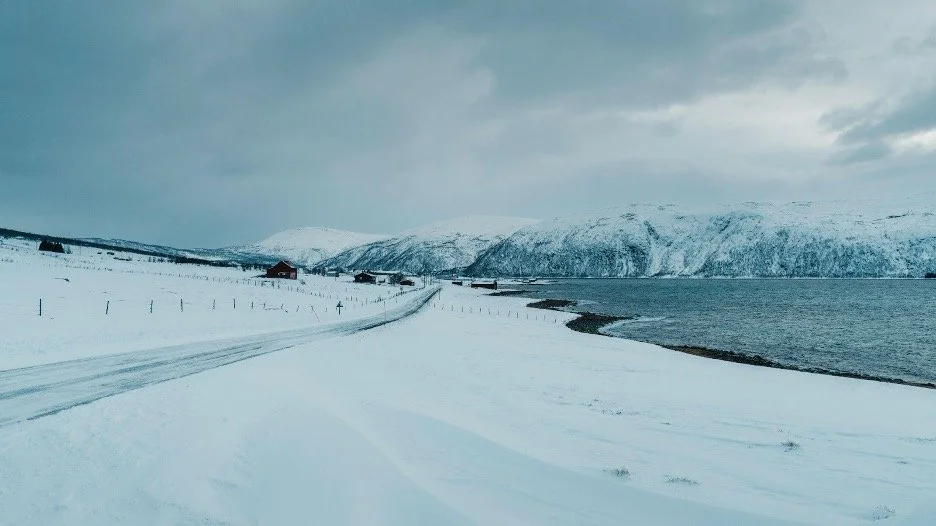
Many businesses assume that shipping to Alaska in winter is completely different from shipping in summer.
The reality? The sail schedules don’t change nearly as much as shippers think.
What does change is how smart shippers plan around them.
SeaWide Express works year-round with the same dependable Jones Act carriers, Matson and TOTE, moving freight between the U.S. mainland and Alaska on consistent weekly departures.
Those sailings don’t stop for winter. Alaska’s supply chain depends on them. Retailers, contractors, industrial suppliers, and distributors rely on ocean freight every week of the year.
So if the ships keep sailing, what actually changes for shippers between winter and summer?
What Stays the Same All Year
First, the constants:
Same ocean carriers: Matson and TOTE
Same weekly departure days
Same consolidation options (LCL and FCL)
Same inland pickup and delivery coordination by SeaWide
Same tracking, visibility, and milestone notifications
SeaWide’s role as a licensed freight forwarder doesn’t change with the seasons. We still coordinate inland pickup, ocean booking, and delivery to Anchorage and Fairbanks the same way in January as in July.
This consistency is why experienced Alaska shippers rely on ocean freight year-round instead of switching to expensive air freight in winter.
What Changes in Winter: Protection, Not Scheduling
From mid-October through mid-April, SeaWide operates its Protect from Freezing Program for Alaska-bound freight.
This is the biggest seasonal difference.
Shippers moving products that could be damaged by freezing temperatures need additional planning, packaging, and coordination, not a different mode of transport.
This program allows many shipments that might seem like “air freight candidates” to safely move by ocean with proper safeguards in place.
In summer, this extra layer of protection isn’t necessary. In winter, it’s essential.
What Changes in Summer: Volume and Space Planning
Summer brings a different challenge: volume.
Construction season ramps up
Retailers build inventory for tourism and peak traffic
Industrial projects increase material flow
This means container space and consolidation planning become more important. LCL shipments fill faster, and FCL bookings may need to be scheduled earlier to align with sailing availability.
The ships are the same, but demand for space increases.
Transit Time Expectations Shift by Season
While sail days stay consistent, expectations should change slightly:
Winter
Extra care for freeze-sensitive cargo
More emphasis on cutoff timing and packaging
Planning ahead to ensure inclusion in Protect from Freezing procedures
Summer
More competition for container space
Earlier booking to secure preferred sailings
Coordination around higher freight volumes
In both cases, the key is planning around the sailing schedule, not reacting to it.
Why New Alaska Shippers Get This Wrong
Many first-time Alaska shippers assume:
Winter = delays → use air freight
Summer = easy shipping → book last minute
Experienced shippers know that ocean freight is dependable year-round, as long as they work with a freight forwarder like SeaWide who understands how to plan around seasonal realities.
LCL and FCL Planning Looks Different by Season
SeaWide’s consolidation (LCL) program runs year-round.
But how you use it changes:
Winter: Focus on protecting freight and meeting cutoff windows
Summer: Focus on booking early before consolidations fill up
For larger shipments, FCL planning in summer may require more lead time, while winter planning centers more on cargo protection than space.
The Smart Shipper’s Approach
Smart Alaska shippers don’t change modes between winter and summer.
They change how they plan:
In winter, they plan for temperature protection
In summer, they plan for space availability
Year-round, they plan around consistent Wednesday and Friday sailings
That’s the advantage of working with SeaWide Express, a team that coordinates inland pickup, ocean booking, and delivery with the seasons in mind.
Service in Every Shipment, All Year Long
The biggest misconception about Alaska shipping is that winter and summer require completely different logistics strategies.
They don’t.
They require the same dependable ocean schedule and a freight forwarder who knows how to adjust planning for seasonal realities.
SeaWide Express makes remote-location shipping simple and reliable in every season by helping shippers plan smarter, not ship differently. Request a quote today!
