When Not to Use Air Freight to Alaska (and How Ocean & Inland Saves Money)
For many businesses shipping to Alaska, the first instinct is often: “We need this fast. Put it on air freight.”
But in reality, air freight is frequently the most expensive and least practical option for Alaska-bound cargo, especially for retail, industrial, construction, and manufacturing shipments.
What many shippers don’t realize is that with the right planning, ocean freight combined with coordinated inland transport can deliver dependable transit times at a fraction of the cost.
This is where SeaWide Express comes in. As a U.S.-based licensed freight forwarder specializing in Alaska freight, SeaWide coordinates inland pickup, ocean booking on Jones Act carriers, and final delivery, making Alaska shipping simple, reliable, and cost-effective.
The Hidden Problem With Defaulting to Air Freight
Air freight to Alaska makes sense in only a narrow set of situations:
Emergency replacement parts shutting down operations
Extremely small, high-value shipments
True last-minute fulfillment failures
Outside of these cases, air freight creates challenges:
Costs can be 5–10× higher than ocean freight
Strict size and weight limitations
Increased handling and transfer points
Limited flexibility for pallets, machinery, building materials, or mixed freight
In most cases, air freight addresses a symptom of poor planning, not the root logistics need.
Why Ocean Freight Is Built for Alaska
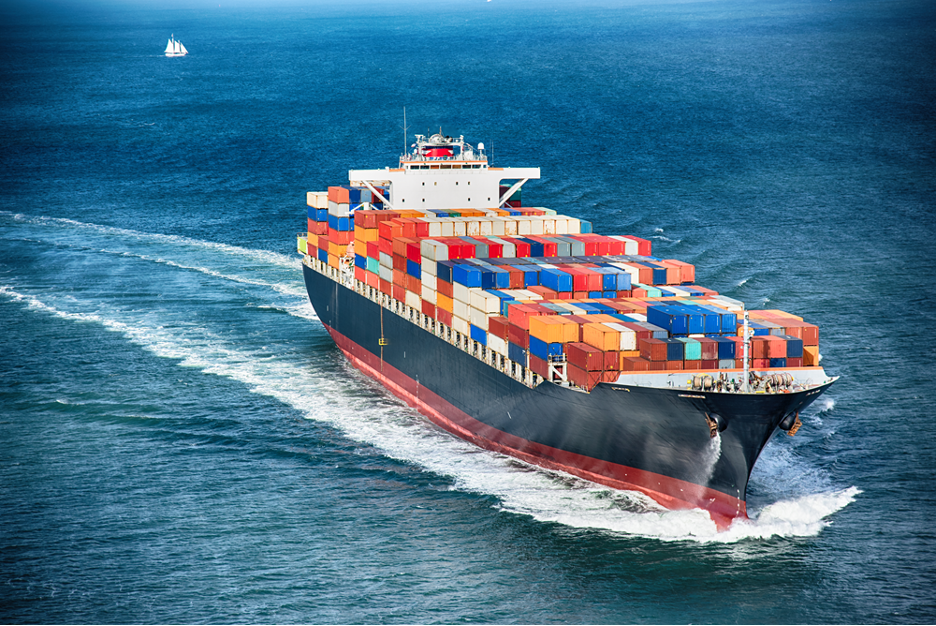
Unlike many destinations, Alaska is designed around ocean freight. The infrastructure, sailing schedules, and inland distribution networks all support consistent container movement from the mainland.
SeaWide Express works exclusively with Jones Act carriers Matson and TOTE, the authorized ocean providers between the U.S. mainland and Alaska. These carriers operate dependable weekly sailings. That schedule consistency allows shippers to plan inventory flow instead of reacting to emergencies.
Ocean & Inland Coordination Is Where the Savings Happen
The real advantage isn’t just ocean freight, it’s how SeaWide coordinates the entire move:
Inland pickup from your facility to the departure port
LCL consolidation or FCL booking, depending on shipment size
Ocean transport on Matson or TOTE
Delivery coordination in Anchorage or Fairbanks
Because SeaWide handles all legs as a freight forwarder, shippers avoid juggling multiple providers and can move freight efficiently without the premium of air service.
When LCL Consolidation Beats Air Every Time
One of SeaWide’s core strengths is LCL (Less than Container Load) consolidation.
Many Alaska shipments are:
A few pallets
Mixed SKUs
Too large for parcel, too small for a full container
These shipments often get pushed to air simply because shippers think they don’t have another option.
With SeaWide’s consolidation program, your freight shares container space with other Alaska-bound shipments, dramatically reducing cost while still moving on consistent sail schedules.
Air Freight Doesn’t Solve Winter Problems, Planning Does
During Alaska’s cold months, shippers often panic and choose air freight to “avoid risk.”
But SeaWide operates its annual Protect from Freezing Program from mid-October through mid-April, specifically designed to protect Alaska-bound freight moving via ocean.
This means many shipments that might seem like air candidates can safely and affordably move by ocean with proper protection and planning.
Shipments That Should Almost Never Go Air
For these cargo types, ocean is almost always the better choice:
Retail inventory and store replenishment
Construction materials and building supplies
Industrial equipment and machinery
Raw materials and manufacturing inputs
Multi-pallet mixed freight
These shipments benefit far more from consolidation, container space, and coordinated delivery than speed alone.
The Right Question Isn’t “How Fast?” It’s “How Smart?”
Most Alaska air freight happens because of late planning, not true urgency.
When shippers work with SeaWide Express to plan around weekly sailings and use LCL or FCL options appropriately, they find they can:
Cut transportation costs dramatically
Maintain reliable delivery timelines
Avoid size and weight restrictions
Reduce handling and damage risk
All while keeping their Alaska customers supplied consistently.
Service in Every Shipment
SeaWide Express was built to make remote-location shipping simple and reliable. By coordinating inland transport, ocean booking, and delivery, SeaWide gives shippers a smarter alternative to costly air freight.
Before you default to air for your next Alaska shipment, it’s worth asking: could this move more efficiently and affordably by ocean? Request a quote today!
